




Non-invasive treatment for nerve pain: options to discuss
A single treatment isn’t the only path worth discussing for nerve pain. A non-invasive treatment for nerve pain may involve physical therapy, natural approaches, or mind-body practices, chosen around your symptoms and health needs. The right conversation begins with understanding what you’re feeling and what you hope to change.
If you’re seeking a non-invasive treatment for nerve pain, it’s understandable to want options that feel gentle and grounded. This article explains how physical therapy, natural remedies, biofeedback, hypnosis, and relaxation may fit into a broader care plan, and why professional guidance matters when considering supplements or new treatments. Personalized care can bring different approaches together in a way that respects your body, comfort, and goals.
Table of Contents
1. Physical therapy
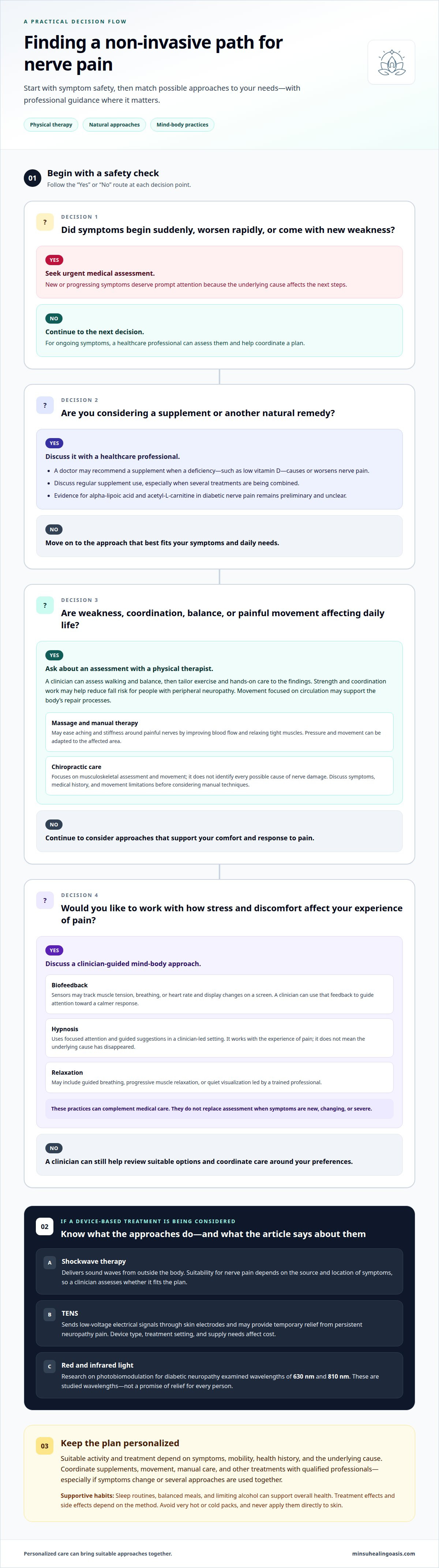
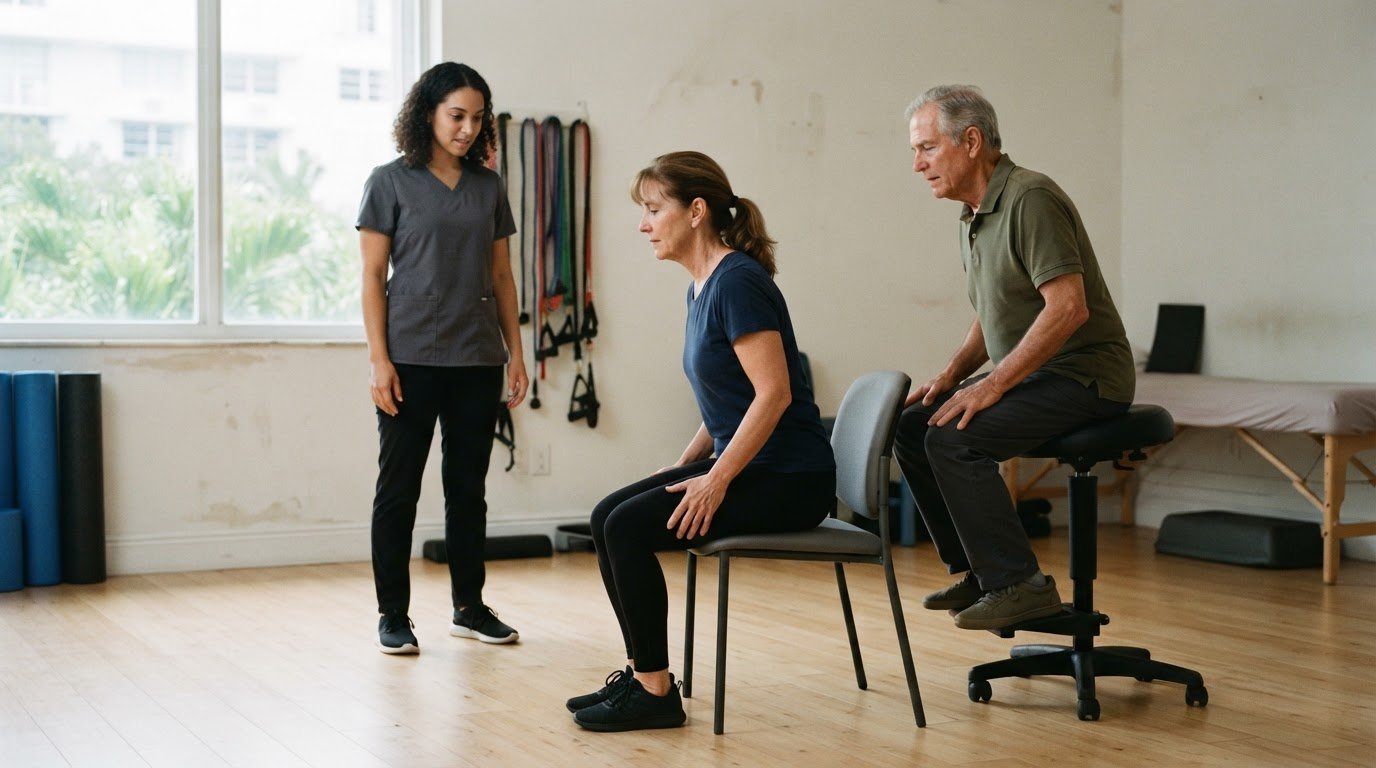
Physical therapy can address nerve-related weakness, limited coordination, and painful movement through targeted exercise and hands-on care. For example, when someone has numbness in the feet, a clinician can assess walking and balance, then tailor exercises to those findings. Strength and coordination work may help reduce fall risk for people with peripheral neuropathy. Movement focused on circulation can also support the body’s repair processes.
Massage therapy may ease aching and stiffness around painful nerves by improving blood flow and relaxing tight muscles. A therapist can adapt pressure and movement to the affected area instead of treating every symptom the same way. For instance, manual therapy may be considered when tight muscles add discomfort around a painful region. The aim is to support movement, comfort, and quality of life.
Extracorporeal shockwave therapy delivers sound waves from outside the body. Its suitability for nerve pain depends on the source and location of symptoms, so a clinician assesses whether it fits the treatment plan. It differs from TENS, which sends low-voltage electrical signals through skin electrodes and may provide temporary relief from persistent neuropathy pain. Device type, treatment setting, and supply needs affect cost.
Red and infrared light therapy are also discussed for nerve symptoms. Research on photobiomodulation for diabetic neuropathy examined wavelengths of 630 and 810 nm. Those figures describe studied wavelengths, not a promise of relief for every person. Red light therapy can be considered in context with other care, including movement and manual approaches.
What causes nerve pain? Peripheral neuropathy can cause burning, pain, tingling, numbness, and weakness, often in the legs and feet. Diabetes, tobacco use, and vitamin deficiencies can contribute to or worsen nerve problems. OTC acetaminophen, aspirin, or ibuprofen may help mild pain, but may be less effective for more serious symptoms. Persistent pain calls for medical guidance.
Sleep routines, balanced meals, and limiting alcohol can support overall health. Research guidance sets alcohol limits at one drink a day for women and two for men. Treatment effects and side effects depend on the method. Avoid very hot or cold packs, and never apply them directly to skin.
2. Combining natural remedies with professional care
Natural approaches can complement clinical care, but they should suit the reason for your symptoms. A doctor may recommend supplements when a deficiency, such as low vitamin D, causes or worsens nerve pain. Discuss regular supplement use with a healthcare professional. Evidence for alpha-lipoic acid and acetyl-L-carnitine in diabetic nerve pain remains preliminary and unclear.
Professional guidance can also help coordinate natural treatments with physical therapy. For example, a care plan may combine supervised movement with a clinician-approved dietary approach. Regular exercise may help people with chronic pain feel less pain, gain energy, and improve mood. Suitable activity depends on symptoms, mobility, and the underlying cause of peripheral neuropathy.
Chiropractic care is another hands-on approach patients may ask about. It focuses on musculoskeletal assessment and movement, rather than identifying every possible cause of nerve damage. Before considering manual techniques, discuss symptoms, medical history, and movement limitations. For example, a clinician may distinguish pain linked to restricted movement from symptoms that need further medical assessment.
Movement can be part of a broader plan, but it does not replace understanding the source of pain signals. A physical therapist can adapt activity to balance, strength, and comfort, while other clinicians review medication or supplement interactions. Coordination matters because a remedy that suits one person may not suit another, particularly when symptoms change or several treatments are used together.
When should someone seek urgent medical care? Seek urgent assessment if nerve symptoms begin suddenly, worsen rapidly, or come with new weakness. New or progressing symptoms deserve prompt attention because the underlying cause affects the next steps. For ongoing neuropathy, a healthcare professional can assess symptoms and treatment effects, then help coordinate a safe plan to support comfort and daily function.
3. Biofeedback, hypnosis, and relaxation
Biofeedback gives a clinician and patient information about bodily responses during a session. Sensors may track signals such as muscle tension, breathing, or heart rate, then display changes on a screen. The clinician can use this feedback to guide attention toward a calmer response. For chronic symptoms, it offers a structured way to notice how stress and discomfort shift together, without suggesting that nerve damage itself has been repaired.
Hypnosis uses focused attention and guided suggestions in a clinician-led setting. A session may invite someone to picture a comfortable place or shift their attention to a painful sensation. The aim is to work with the experience of pain, not to claim that its underlying cause has disappeared. Patients can discuss their comfort, expectations, and concerns before beginning.
Relaxation approaches may include guided breathing, progressive muscle relaxation, or quiet visualization led by a trained professional. For example, a clinician might guide someone to release tension in the shoulders while noticing changes in breathing. These practices can complement medical care, but do not replace assessment when symptoms are new, changing, or severe. Their place in a plan depends on the person’s needs and preferences.
Biofeedback, hypnosis, and relaxation differ from electrical stimulation, which uses devices to deliver signals through the skin. They also differ from prescription medications, which a physician may consider for neuropathy. Some antidepressants, including amitriptyline and duloxetine, and some antiseizure medications, including gabapentin and pregabalin, may be used under physician supervision. Medication choice depends on symptoms, health history, and potential side effects.
What should you discuss before a session? Share when symptoms began, what makes them worse, and which medications you take. A clinician can then consider whether a mind-body approach complements care addressing the cause of pain. Tracking changes in comfort and daily activities between visits can help guide a thoughtful conversation about next steps.
4. Combining treatments in a personalized plan
A personalized plan starts by connecting treatment choices to the condition causing symptoms. A clinician considers where pain or altered sensation occurs, how it affects movement, and which other health factors matter. This helps shape a non-invasive treatment for nerve pain around your goals, existing care, and daily needs. The focus is practical: supporting comfort and function while considering how each approach fits together.
How do non-invasive treatments compare with injections or surgery? They avoid injections and operations, while procedures involve direct intervention. Each option serves a different purpose, and the right discussion depends on the cause, symptom pattern, and response to care. A physician can explain how a non-invasive treatment for nerve pain compares with procedures or medication for your condition.
Supplements and eating habits belong in the conversation, too. A clinician may recommend supplements when a deficiency, such as low vitamin D, contributes to nerve pain. Discuss regular supplement use with a healthcare professional, especially if you take prescription medications. A balanced diet supports overall health, while your condition and treatment plan shape which changes are appropriate. Alternative therapies can complement care, but should not replace assessment of the underlying cause.
How can people in the United States find a clinician or understand insurance coverage? Start with a primary care clinician, who can assess symptoms and refer you to a neurologist or pain management specialist when appropriate. Contact your health plan with the treatment name and clinician details to ask about benefits, referrals, and documentation. Coverage depends on the plan and specific service.
Minsu’s Healing Oasis offers Energy Healing and Alternative Therapies as part of a whole-person approach to care goals. Explore a personalized approach to nerve pain care as you consider options that fit your needs.
Minsu’s Healing Oasis
Minsu’s Healing Oasis offers Physical and Manual Therapies alongside Energy Healing and Alternative Therapies for people exploring supportive care for nerve pain. These approaches provide an opportunity to discuss movement, comfort, and which forms of care align with your goals. The clinic also offers Myofascial Release and the Quantum Healing Technique.
If you’re considering non-invasive options, a conversation can help connect your concerns with an appropriate approach. Share which symptoms affect daily life and what you hope to address. This gives the care team context for discussing how Minsu’s Healing Oasis services may fit alongside your wider healthcare plan.
For a gentle next step, contact Minsu’s Healing Oasis to discuss your care needs.
Choose a next step that feels manageable
Living with nerve pain can make planning feel uncertain, especially when symptoms shift or disrupt routines. Before your next care conversation, choose one priority that matters most right now, such as moving through a workday more comfortably or feeling steadier during everyday activities. A clear goal gives the discussion direction without asking you to predict how quickly things will change.
A non-invasive treatment for nerve pain is best considered through an informed conversation about your condition, preferences, and other care. Share what you hope to improve and any concerns about treatment approaches. Your healthcare professional can help you weigh options alongside existing medical care, keeping decisions grounded in your needs rather than pressure to try everything at once.
Small, thoughtful steps can create a steadier way forward. When you're ready to explore supportive care, Contact Minsu’s Healing Oasis today. You deserve to have your questions heard and your next step approached with care.
Frequently Asked Questions
7 Nonsurgical Treatments for Peripheral Neuropathy: What Works?
Options to discuss include physical therapy, massage, TENS, red or infrared light therapy, acupuncture, biofeedback, and relaxation or hypnosis. These approaches differ: some target movement or muscle tension, while others aim to influence pain perception or provide temporary symptom relief. Which approach may be suitable depends on the cause of neuropathy, the symptoms being treated, and how it fits with medical care.
What can be mistaken for nerve pain?
Muscle, joint, or other pain can overlap with nerve-related sensations, so symptoms alone do not establish the cause. A clinician can consider where discomfort occurs, whether it feels like burning or tingling, and whether weakness or numbness is present. They may also ask what brings symptoms on and how they change over time. This assessment helps distinguish possible causes and guide appropriate care.
What non-invasive treatments can help nerve pain?
Options include guided physical therapy, massage, TENS, light-based therapy, acupuncture, and mind-body approaches such as biofeedback or hypnosis. A clinician can match an approach to a specific goal, such as improving movement or managing persistent discomfort. Natural approaches may also complement professional care, but discuss supplements with a healthcare professional, particularly when prescription medicines or other treatments are part of the plan.
How effective are physical therapy, exercise, and stretching for nerve pain?
These approaches can support function by addressing movement limits, reduced strength, or coordination challenges associated with neuropathy. For example, a clinician may adapt exercises for someone whose foot sensation affects walking, with attention to balance and safe movement. Progress can be assessed through practical changes, such as completing daily activities more comfortably. The treatment plan should reflect the underlying condition and the person’s abilities.
Can acupuncture, massage, or cognitive behavioral therapy help nerve pain?
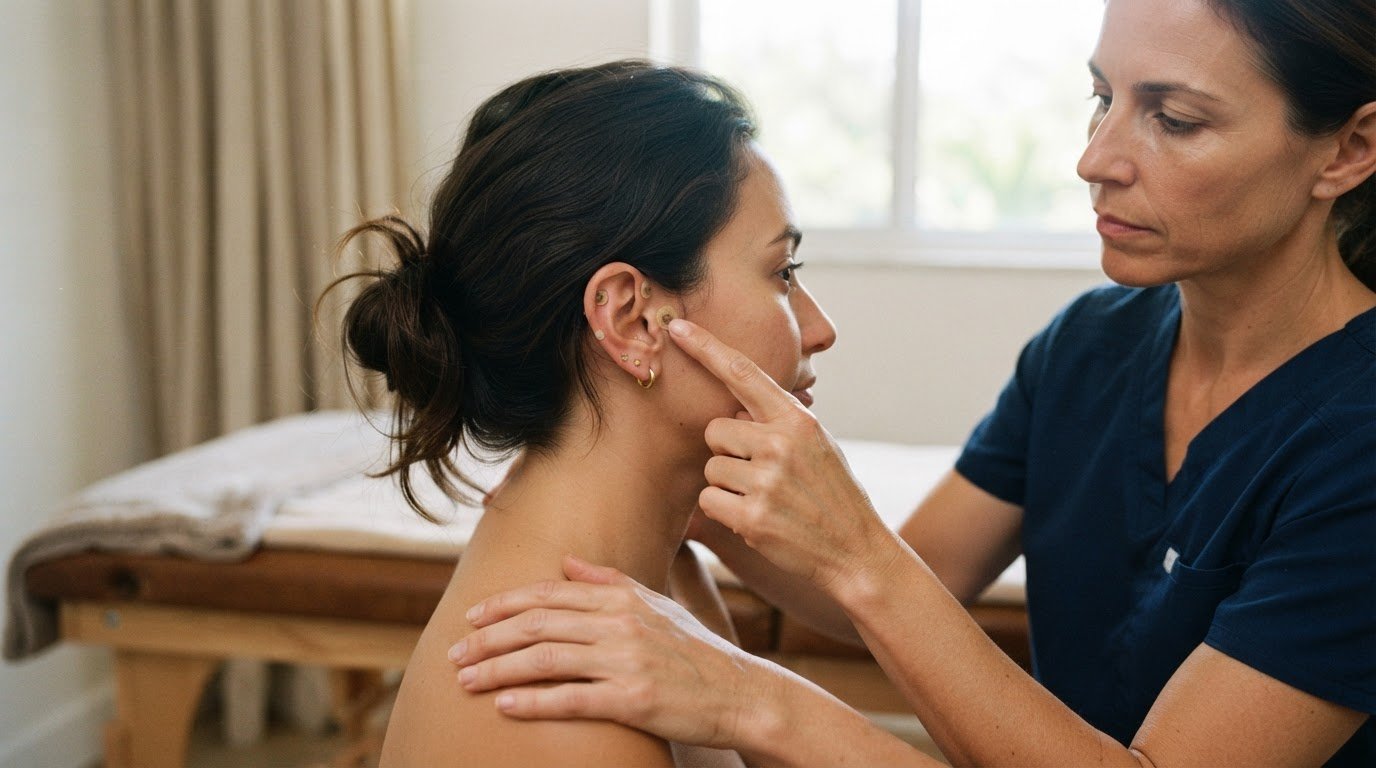
Research on acupuncture for nerve pain has mixed results, although some people report symptom relief, with specialized providers such as המרכז לרפואה סינית לטיפול בכאב ובעיות אורטופדיה combining acupuncture and hands-on methods for pain and orthopedic issues. Massage may ease nearby muscle tension and stiffness. Cognitive behavioral therapy focuses on how thoughts and behavior shape responses to chronic pain; it can complement medical care without treating nerve damage itself. These approaches serve different purposes, so a clinician can help determine how they fit with symptom management and other treatment.
Do TENS units or other non-invasive devices relieve nerve pain, and what do they cost?
TENS sends low-voltage signals through skin electrodes and may provide temporary relief from persistent neuropathy pain. Costs vary with device type, treatment setting, and supply needs. A clinician can assess whether other options, such as shockwave or light therapy, suit your symptoms.

Comments